Bathing Dog Embroidery Design Review
First Impressions: A Playful Splash of Charm
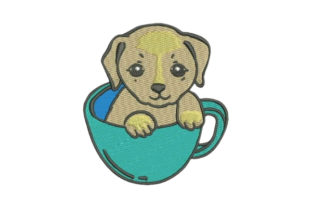
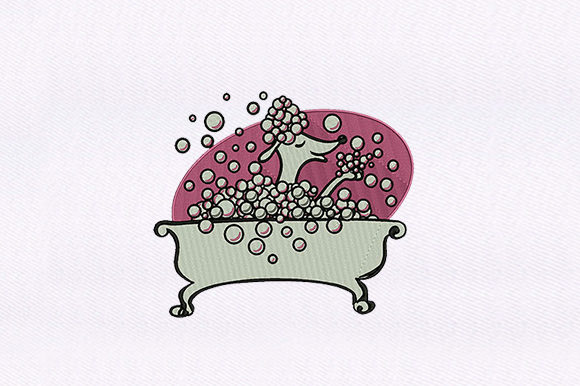
At first glance, the Bathing Dog embroidery design immediately brings a sense of whimsy and joy. It's a perfect blend of simplicity and character, capturing the essence of a dog enjoying a bath with a playful, almost cartoonish energy. The layout is balanced, with enough detail to feel hand-crafted but not so intricate that it becomes overwhelming on smaller items.
The shape of the dog is rounded and friendly, which makes it ideal for projects where a lighthearted touch is desired. The theme is universally appealing, making it a great choice for both personal and commercial use. Whether it's a baby item or a boutique product, this design feels like a natural fit.
Real-Life Scenario: Customizing a Tote Bag
Imagine preparing a custom embroidered tote bag for a local pet store or as a gift for a dog lover. The Bathing Dog design would add a charming focal point to the fabric. I can envision it stitched onto a cotton canvas tote, using a soft pastel thread palette to keep the look gentle and approachable.
The design’s clarity is impressive — even from a distance, the dog’s posture and expression are clearly visible. This makes it a strong candidate for products that need to be recognizable at a glance, like tote bags or patches. However, I would test it on scrap fabric first to ensure that the stitch density works well with the chosen fabric texture.
On a stretchy fabric like a tote bag, it might be necessary to use a stabilizer to maintain the integrity of the design during stitching. Also, checking the thread color contrast against the fabric background is essential to avoid any blending issues.
Performance in Real Embroidery Projects
The Bathing Dog design performs exceptionally well across a variety of embroidery projects. From sweatshirt embroidery to holiday gifts, its versatility shines through. It looks great as an embroidered patch on jackets or as a tote bag design for everyday use. For custom apparel, especially baby clothes, the design maintains a soft and safe aesthetic that appeals to parents.
It also works well as part of a larger design set, such as when creating nursery decor or personalized gifts. The level of detail is just right — not too busy for small hoop sizes, yet detailed enough to stand out on larger garments like aprons or kitchen towels.
For craft business owners or Etsy sellers, this design could easily become a bestseller. Its universal appeal and visual charm make it suitable for a wide range of customers, including those looking for handmade products or small shop merchandise.
Where to Use with Caution
While the Bathing Dog design is versatile, there are certain scenarios where extra care should be taken. On small hoop sizes, some details may get lost or appear cramped. Similarly, on textured fabrics or thin fabric, the design may not stitch as cleanly without proper support from a stabilizer.
Stretchy fabric like knits or curved surfaces such as caps can also pose challenges. Testing the design on these materials before final production is crucial. Additionally, if used on dark fabric, ensuring good thread color contrast is essential for visibility.
For layered garments or dense stitch areas, it's important to review the stitch density to prevent puckering or distortion. The design also needs careful handling around tiny lettering or decorative accents to maintain clarity and sharpness.
Design Impact and Practical Considerations
The Bathing Dog design enhances the visual appeal of any project it's placed on. Its presence adds a sense of personality and charm, which can significantly increase the product value and customer trust associated with handmade or personalized items.
For craft fair products or boutique branding, this design contributes to a cohesive and professional look. It also improves giftability by offering something unique and memorable. When used consistently across different items, it helps establish brand consistency and buyer engagement.
As a designer, I always recommend testing the Bathing Dog design on scrap fabric before committing to a full project. Checking thread colors against different backgrounds, reviewing stitch density, and confirming the hoop size needed are all key steps in ensuring the best possible outcome.
Additionally, testing the design in black and white mockups can help identify potential issues with contrast or detail visibility. Confirming whether the design works for both personal and commercial projects is also important, especially if you're planning to sell finished items or digital product previews.
Finally, always double-check the license terms before selling any finished products or design assets based on this design. Ensuring proper usage rights will protect your craft business and help maintain professionalism in your work.